
‘No Deal’ Better Than a Bad Deal: India Stands Firm in US Trade Talks

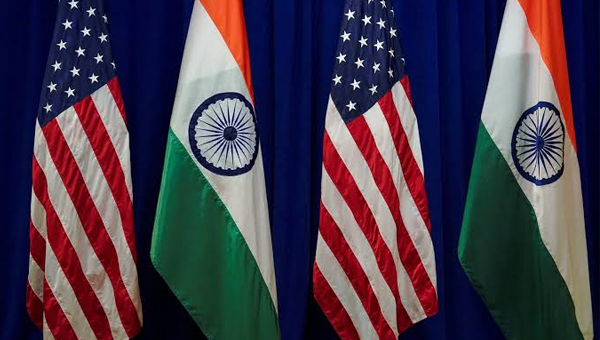
India is sending a clear message to Washington regarding a potential trade agreement: a bad deal is simply not worth making.
Despite months of intense negotiations and hopes that a preliminary pact would be finalized during US Trade Representative Jamieson Greer’s recent visit to New Delhi, the two nations have hit a standstill. Indian officials have made it clear that they will not rush into an agreement that fails to protect the country’s core economic interests.
What is Holding Up the Agreement?
According to reports from Reuters, India refused to sign a deal that ignored its main demands. Indian negotiators are pushing for preferential tariff treatment over competing exporters like China, alongside guarantees that Washington will not hit India with new tariffs shortly after signing the pact.
Crucially, New Delhi is refusing to budge on politically sensitive sectors, particularly agriculture. A government official close to the talks noted that India has no intention of ceding ground on farming or accepting unfavorable terms just to close a deal quickly.
The Trump administration had hoped to secure trade concessions from India before its proposed new tariffs take effect later this month. Currently, most Indian exports to the US face a 10% tariff, but the White House is considering steeper duties based on investigations into excess industrial capacity. Washington has also proposed additional tariffs of up to 12.5% over allegations regarding forced labor, which India has firmly denied.
While the White House maintains that it is still working productively toward a historic deal, US sources close to the negotiations expressed frustration, describing Indian negotiators at times as slow and bureaucratic. From the American perspective, India needs to earn preferential treatment by offering its own market concessions.
Why India Holds the Upper Hand
Trade analysts point out that New Delhi’s bargaining position has strengthened significantly over the last few months. India simply does not feel the urgency to sign a rushed agreement for several reasons:
-
Booming Exports: Despite global disruptions from the Iran conflict, India’s goods exports jumped roughly 15% year-on-year in the April-to-June quarter.
-
New Trade Alliances: India is successfully diversifying its partnerships. A free trade agreement with the UK is expected to go live this month, and talks with the European Union are moving forward steadily.
-
Economic Stability: Goldman Sachs recently bumped up India’s 2026 growth forecast to 6.8% while lowering inflation projections. A stronger domestic economy gives negotiators the leverage to hold out for better terms.
-
The Strategic Patience of New Delhi
India is also betting that some of the Trump administration’s proposed tariffs will face stiff legal and political opposition back home in the United States. For instance, a coalition of 22 Democratic state attorneys general has already challenged the tariffs tied to the forced labor investigations.
Back home, Prime Minister Narendra Modi’s recent electoral victories have reinforced the government’s political mandate. The ruling party remains firmly committed to protecting domestic farmers and small businesses from foreign competition.
Ultimately, Indian trade experts note that walking away from a rushed, flawed agreement is far wiser than locking the country into long-term obligations that outweigh temporary tariff relief. For now, the ball rests in Washington’s court.